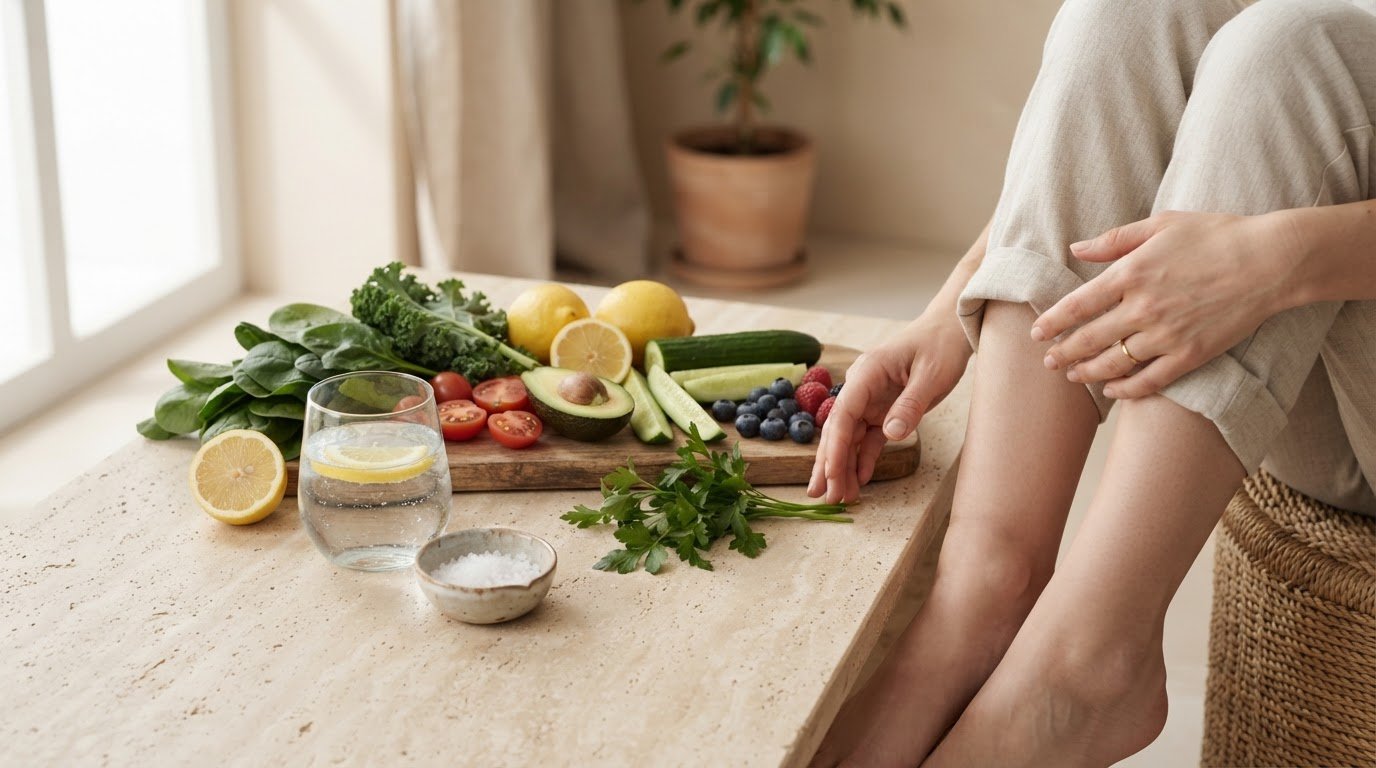
How to Reduce Swelling and Water Retention Through Diet
October 20, 2026 · 17 min read
Restricting your water intake does not always reduce swelling. If you notice puffy hands, a bloated face, or swollen legs, you might wonder how to reduce water retention and puffiness through your diet. However, the root cause is not always on your plate. Hormonal shifts, such as those in the second half of the menstrual cycle, and long hours spent in one position can also play a significant role.
Conflicting advice about water, sodium, and diuretic products can make it difficult to know where to begin. Usually, a restrictive diet is unnecessary. Instead, it is worth looking at the amount of salt in processed foods, maintaining regular hydration, and ensuring that daily meals include fresh fruits and vegetables. These adjustments can support fluid balance, even though they may not explain every cause of swelling.
In this guide, you will learn which habits can contribute to fluid retention, what thoughtful changes you can make to your daily menu, and why you should avoid reaching for over-the-counter diuretics without guidance. We also outline when persistent or worsening swelling warrants medical advice. A balanced diet supports your body, but it cannot replace identifying the underlying medical cause.
Key Takeaways
- Edema is fluid accumulation in tissues, but its presence alone does not reveal the underlying cause. Pay attention to puffy ankles, tight clothing, and other noticeable changes.
- Fluid balance can be influenced by diet, physical activity, hormonal cycles, and overall health. Sodium and ultra-processed foods are worth monitoring, but they are rarely the sole factor.
- Introduce dietary adjustments gradually rather than adopting rigid restrictions.
- Choose regular meals based on whole foods, vegetables, and fruit, while gently moderating high-sodium processed foods.
- Observe your symptoms and implement manageable habits. If swelling persists, recurs, or worsens, consult a healthcare provider.
Table of Contents
- Water retention: how to recognise swelling and what to expect
- Where does swelling come from? Diet, hormones, and other potential causes
- What to eat for fluid retention: balance your diet without restriction
- How to implement dietary changes and evaluate whether they help
- When diet is not enough and swelling requires professional consultation
Water retention: how to recognise swelling and what to expect
Swelling, or edema, refers to fluid accumulating within bodily tissues, yet it does not indicate why it happened. It often appears as puffiness around the ankles, feet, hands, or face. At times, it is easier to notice indirectly: a ring feels uncomfortably tight, socks leave deep indents, or everyday clothes feel snugger than usual. It is useful to observe these signs, but they should not be treated as a self-diagnosis.
Swelling is a symptom, not an independent diagnosis of its cause. Similar complaints can stem from entirely different triggers, and nutrition accounts for only a fraction of them. For broader background, you can read more about edema and fluid retention in tissues in clinical reference overviews. If you are exploring how to reduce water retention and puffiness through diet, begin by noting what is happening and when. Puffiness by itself does not confirm that a particular food or eating habit is to blame.
Distinguishing temporary puffiness from persistent edema
Rather than judging your body on a single morning, notice whether symptoms recur. Note where the puffiness appears, what time of day it surfaces, and whether it resolves quickly or lingers. Also observe whether it is accompanied by feelings of tension, heaviness, or discomfort when walking. These details help organize your observations, though they cannot replace clinical assessment.
- Record the exact area where puffiness occurred.
- Note the time of day and whether this has happened previously.
- Describe noticeable changes in how you feel and whether the symptom resolved on its own.
There is no need for a complicated journal or constant body checks. A brief, practical note is often enough to see whether the symptom is a one-time occurrence or a recurring pattern. However, temporary swelling does not rule out an underlying issue. If anything feels concerning, speak with a doctor.
Why the scale alone does not tell the whole story
A short-term shift on the scale does not reveal what has actually changed in your body. Body weight fluctuates for multiple reasons, so a single weigh-in neither confirms fluid retention nor identifies its cause. If you weigh yourself, compare measurements taken under similar conditions and view them purely as neutral observations, never as a diagnosis.
Avoid judging your physique based on these fluctuations or reacting with abrupt diet overhauls. It is far more useful to connect several observations: visible puffiness, its location and duration, and overall physical sensations. Kept calmly, these notes can help you describe your experience to a practitioner, though they cannot determine the medical cause alone.
Sudden, intensifying, or distressing symptoms call for a physician's evaluation, not another round of home tracking. Nutrition can be one element of daily wellbeing, but it cannot rule out other medical factors. Recognizing a change and determining its cause with a doctor are two distinct steps.
Where does swelling come from? Diet, hormones, and other potential causes
Fluid balance is shaped by multiple interconnected elements: eating patterns, daily physical movement, hormonal fluctuations, and baseline health. It is wise not to jump to the conclusion that puffiness stems from a specific food or that a simple dietary tweak will resolve it entirely. Swelling can have varied causes, which is why changing your diet does not always resolve it.
The underlying mechanisms can be complex, as outlined in clinical literature such as Mayo Clinic resources on edema symptoms and causes. Observing daily habits helps clarify potential associations, but it does not replace a medical consultation if symptoms persist or escalate.
How sodium and daily nutrition influence fluid balance
Sodium is worth attention because it plays an active role in regulating fluid volume in the body. However, the salt shaker is not the main source. Significant amounts hide in ready-made meals, savory snacks, cured meats, aged cheeses, and packaged staples. Relying frequently on these foods can elevate sodium intake, even if you never salt your food at the table.
When shopping, read labels and compare similar items. You can gradually swap high-sodium snacks or convenience meals for minimally processed alternatives. The goal is not sudden, rigid restriction. Thoughtful adjustments help you build meals with intention, but moderating salt alone will not solve the issue if the swelling has a different origin.
Do menstrual cycles, medications, and lifestyle factors play a role?
For many women, fluid retention coincides periodically with hormonal changes throughout the menstrual cycle. If you observe a recurring pattern, record when symptoms appear and how long they last. Do not assume, however, that every instance of premenstrual puffiness is typical or that hormones explain all forms of fluid retention.
Prolonged sitting and low daily movement also impact fluid circulation. If you spend most of your working day at a desk, notice whether heaviness and swelling appear or intensify after staying seated for hours. This provides useful context to discuss with your healthcare provider, though it is not a basis for self-diagnosis.
Certain medications are also known to cause or worsen peripheral swelling. If you suspect your medication might be involved, speak with your doctor or pharmacist. Note the exact product and when you observed the shift. Never discontinue or adjust prescription dosages on your own. Any safe approach must consider your symptoms alongside the primary medical condition being treated.
Fine-tuning your nutrition can be a rewarding step when you wish to see how everyday choices influence how you feel. If you want to align your daily meals with your lifestyle and personal goals, explore the individual VIP Diet Plan. It is designed for wellness and does not replace medical advice regarding edema.
What to eat for fluid retention: balance your diet without restriction
When it comes to daily meals, the complete dietary pattern matters far more than any single ingredient claimed to reduce water. Regular meals made from whole, minimally processed ingredients naturally limit excess sodium while providing diverse micronutrients. Fresh produce, whole grains, and quality protein sources build simple, satisfying meals. If you want to reduce water retention through diet, begin with gentle, sustainable adjustments rather than fasts, eliminating whole food groups, or drastically cutting back on water.
How to build meals that naturally balance sodium
Prepare meals more often using staple ingredients such as whole grains, eggs, vegetables, fish, and legumes. Keep convenience items and packaged snacks for occasional ease rather than relying on them as your daily foundation. When grocery shopping, read labels on the items you purchase often and compare sodium content across brands. Introduce these modifications at a comfortable pace.
Enhance flavor with fresh herbs, garlic, black pepper, lemon juice, or fragrant spices instead of reaching automatically for the salt cellar. This is not about total sodium elimination or rigid meal plans, but about bringing greater awareness to everyday choices. Fill your plates with abundant vegetables and fruit. Potassium-rich staples like tomatoes, potatoes, bananas, and avocados belong in a balanced diet, but should be viewed as nourishing foods rather than medical treatments for edema.
Are extra water, potassium, and herbal teas the solution?
Never deliberately restrict water intake on your own in an effort to minimize swelling. Hydration needs vary by individual and daily activity, so drink according to thirst and follow any specific medical guidance you have received. If your doctor has prescribed a fluid restriction, adhere closely to their protocol. There is no single universal fluid target for everyone.
Potassium occurs naturally in vegetables, fruits, potatoes, and legumes. Deliberately increasing potassium intake or turning to potassium supplements demands caution, especially for individuals with kidney conditions, other chronic disorders, or those taking specific medications. In these cases, discuss any changes with a physician or registered dietitian before altering your diet or supplement regimen.
A cup of herbal tea can be a soothing ritual you enjoy, but do not view it as a way to diagnose or treat fluid accumulation. Over-the-counter diuretics and fluid-draining teas are never substitutes for medical evaluation. Prioritize regular, varied meals and manageable adjustments that fit your life. This is a much healthier foundation than severe restriction. If swelling persists or worsens, consult your doctor.
How to implement dietary changes and evaluate whether they help
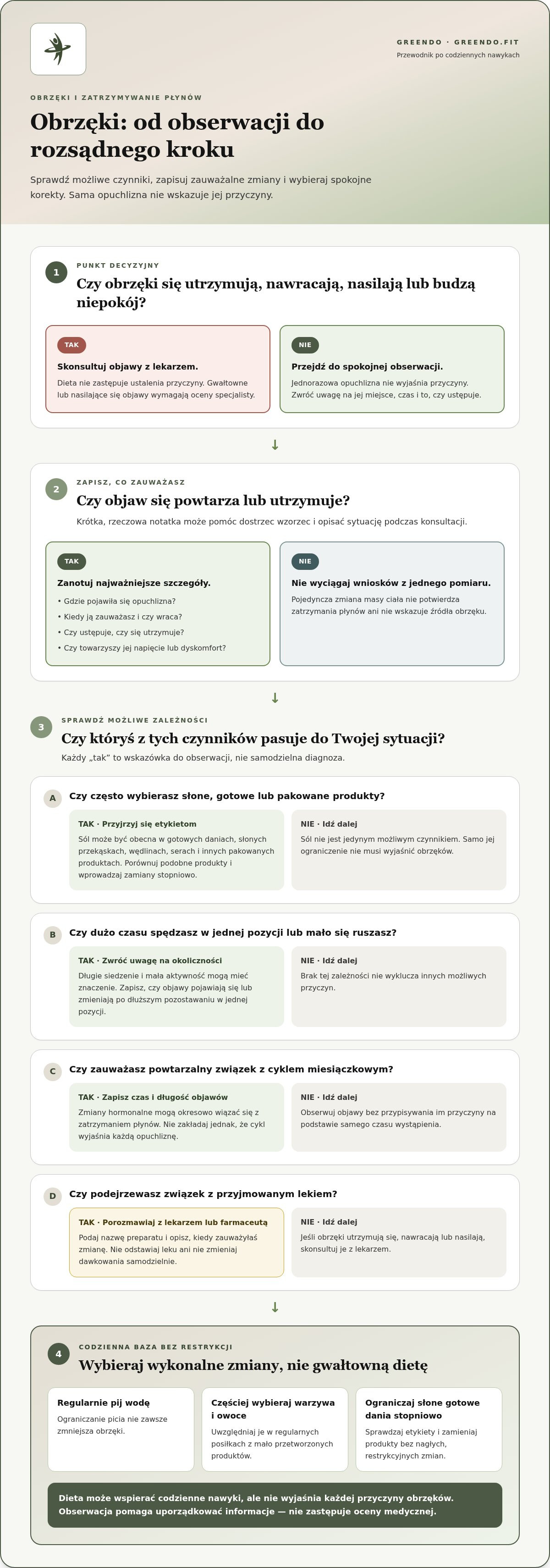
Assessing the impact of your daily habits is far easier when you do not change everything simultaneously. For a brief period, note what you eat, when you turn to salty or convenience items, and under what conditions puffiness surfaces. Next, choose one realistic change you can comfortably sustain, such as preparing an afternoon snack at home instead of buying a salted option. This allows you to evaluate whether the new habit genuinely fits your daily rhythm.
Where to start when adjusting your menu
Treat your notes as a tool for organizing observations, not as a diagnostic test designed to pinpoint the cause of swelling. Keep brief records of what you eat, which high-sodium foods you choose frequently, and when symptoms occur. You can also mention daily context, such as long flights, prolonged sitting, or vigorous exercise. There is no need to count every gram or track every calorie. A few clear details you can easily review will suffice.
Review your notes and identify the easiest change to make first. If you often grab salty packaged snacks, prepare a wholesome option you enjoy ahead of time. If you tend to skip meals, plan a simple meal or snack you can take with you. Implement one change before adding another. This makes it far easier to see whether the habit is manageable and how it affects your sense of wellbeing.
Integrate gentle movement into your daily routine. A brief walk or standing up from your desk to stretch after prolonged sitting breaks periods of stillness. Choose an activity you can repeat easily without strain. View movement as an act of self-care rather than a punishment or a guaranteed fix for swelling. It is simply another habit worth observing alongside your nutrition.
How to track your progress without falling into restriction
After giving yourself some time, check whether your physical comfort has improved, how often symptoms arise, and whether your new habit feels sustainable. Avoid relying solely on the bathroom scale to measure progress. A single weight reading cannot explain internal physiology, and home notes are not diagnostic tools. They can, however, help you spot recurring circumstances and explain them clearly during a medical visit.
If a chosen change feels stressful or difficult, simplify it or try a different approach. You do not need to eat perfectly. Consistency and practical solutions tailored to your routine are far more valuable than rigid rules that are hard to maintain. When considering how to reduce water retention through diet, remember that nutrition supports daily wellbeing, but home experiments cannot identify the cause of medical symptoms.
If swelling persists, returns frequently, or worsens, do not delay a professional consultation. Your personal observations will make the conversation easier, but they cannot replace a medical evaluation. Approach changes calmly, check that they feel sustainable, and pay close attention to any signals that cause concern.
When diet is not enough and swelling requires professional consultation
Nutritional adjustments can support daily health, but they do not treat underlying medical conditions that cause edema, nor do they replace a clinical diagnosis. If puffiness lingers, returns regularly, or gradually intensifies, contact a physician. Do not wait for dietary tweaks to deliver results. Identifying the origin of the problem requires clinical evaluation, especially if other symptoms accompany the swelling.
Warning signs that warrant immediate medical attention
Sudden, prominent swelling or rapidly expanding puffiness requires prompt medical care. Seek urgent medical attention if the swelling is accompanied by shortness of breath, chest pain, fainting, dizziness, or sudden weakness. In such circumstances, do not try to alter your diet or wait for symptoms to resolve on their own. Reach out for urgent medical support immediately.
Swelling that affects only one limb, particularly when it appears suddenly and is accompanied by localized pain, redness, or warmth, also requires rapid clinical assessment. Do not attempt to diagnose conditions based solely on the location or look of the swelling. Symptoms can point to various acute conditions that must be interpreted by a doctor.
If swelling was not sudden but continues to persist, recurs routinely, or becomes increasingly uncomfortable, schedule an appointment rather than continuing home trials. When wondering how to reduce water retention and puffiness through diet, remember that the right approach depends on the underlying cause. Nutrition supports everyday wellness, but it cannot explain why symptoms originated in the first place.
How to prepare for an appointment with your doctor
Before your consultation, write down when the swelling appears, where you notice it, how long it lasts, and whether any other symptoms accompany it. Compile a complete list of all medications and supplements you take, alongside any recent shifts in your diet or daily routine. If you kept notes on your symptoms, bring them along. They do not need to be exhaustive; their purpose is simply to help you describe clearly what has changed.
Never stop taking prescription medications or change their dosages without consulting your doctor. In addition, avoid starting any diuretic regimen on your own. Such measures can be harmful depending on the root cause and your medical background. During your appointment, ask whether your current treatments, dietary patterns, or daily lifestyle factors play a role, and discuss what approach is safe for you.
Observe your symptoms, make gentle adjustments to daily habits, and assess your comfort without self-imposed restriction. At the same time, do not postpone a consultation if swelling persists, recurs, or escalates. Nutrition is a wonderful part of caring for your body, but it must never replace medical care when care is needed.
Start with a step that feels right for you
You do not need to overhaul your entire diet all at once. Choose one small habit you would like to explore with greater awareness, and see if you can refine it without pressure. The question of how to reduce water retention and puffiness through diet does not have a single answer for every woman. Daily choices support self-care, but they do not replace professional guidance when symptoms cause concern.
Mindful self-care begins with listening to your body rather than imposing rigid prohibitions. If you want to explore a personalized approach to everyday nutrition, discover the GREENDO approach to individualized meal planning.
Choose steps that you can introduce gently and at your own pace. Small, consistent actions create lasting comfort. Take care of yourself with kindness and without pressure.
Frequently Asked Questions
Does drinking more water help with water retention?
Proper hydration is essential, but drinking extra water is not an automatic cure for swelling. Your daily fluid needs depend on your health status, activity level, and environmental conditions. Avoid restricting fluids deliberately, and do not force yourself to drink excessively. This applies directly when considering how to reduce water retention through diet. If you have an underlying medical condition or doctor-prescribed fluid restrictions, always follow your physician's instructions.
Does reducing salt always eliminate swelling?
No, cutting back on excess sodium does not guarantee that swelling will disappear. Moderating salt is a sensible choice, particularly if you regularly consume high-sodium packaged foods, but edema can stem from many other causes. Start with minor adjustments, such as choosing a lower-sodium version of a staple product you buy frequently. Observe how you feel, and if swelling persists, recurs, or worsens, consult your doctor.
Can premenstrual water retention be reduced with diet?
Many women experience fluid retention or shifts in how they feel around specific phases of the menstrual cycle, although not all swelling originates there. Note whether your symptoms recur at the same point in consecutive cycles. During these days, focus on regular, balanced meals and moderate your intake of salty snacks without cutting out whole food categories. If the swelling is new, unusually pronounced, or fails to resolve, consult a doctor.
Do potassium-rich foods help relieve water retention?
Vegetables, fruit, and other potassium-containing foods add valuable variety to your daily diet, but they do not treat medical edema on their own. Do not deliberately overload on potassium or take potassium supplements without considering your health status. In the presence of kidney disease, other medical conditions, or medications that affect potassium levels, seek professional medical guidance. Never modify clinical dietary guidelines on your own.
Are diuretic herbal teas a good remedy for swelling?
Diuretic herbal teas should not be treated as a universal remedy. They may not be safe for certain health conditions or alongside specific medications, and inducing frequent urination does not resolve the cause of edema. If you enjoy herbal infusions as a beverage, remember they cannot replace a medical consultation or prescribed therapy. Instead of beginning home cures, prioritize balanced habits and discuss persistent symptoms with a professional.
Can water retention be caused by medications?
Yes, certain medications are known to cause or contribute to fluid retention. Let your doctor know which medications you take and when you first noticed the puffiness. It is especially helpful to mention if the symptoms began after starting a new prescription or adjusting a dose. Never discontinue or alter medications on your own. Your physician will assess the situation and decide if an alternative approach is required.
When does swelling require urgent medical attention?
Seek immediate medical help if swelling develops suddenly or progresses rapidly, especially if it is accompanied by shortness of breath, chest pain, fainting, or sudden weakness. In these situations, do not wait for dietary changes to take effect and do not attempt to self-treat with diuretic teas or supplements. If symptoms are not sudden but remain persistent, recur frequently, or cause growing discomfort, consult a physician.